Table of contents
7-Day Albania Itinerary: A One-Week Journey from Riviera Beaches to Alpine Waterways and UNESCO Cities
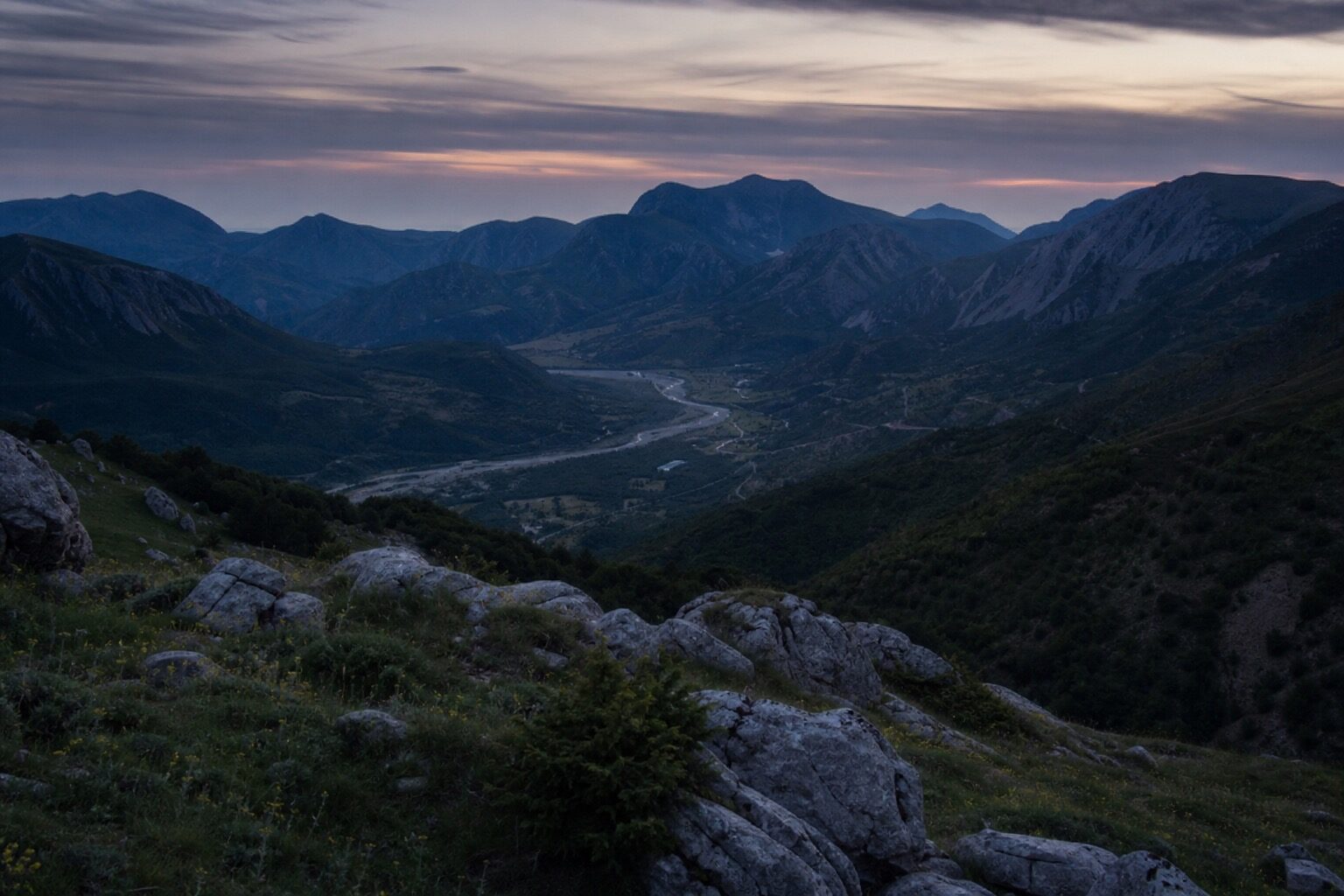
A week in Albania that blends sea time, mountain drama, and living history—at a pace that still feels human 🇦🇱
Albania rarely wins you over with a single, headline attraction. It works differently—through small moments that arrive when you are not chasing them: the salty air along the Adriatic as the day cools, the smoke of a grill drifting out of a modest taverna, the hush of stone lanes where footsteps have echoed for centuries. At first, it can seem almost quiet.
Then a simple coffee stop turns into a long conversation, or a roadside pull-off steals your attention so completely that you forget what you were talking about. That is when the country reveals its true strength: Albania is not loud, but it is unforgettable.
If you are planning what to see in Albania in 7 days, the most satisfying strategy is contrast—Albanian Riviera beaches, mountain waterways that look carved into the earth, and UNESCO World Heritage towns where daily life still leads the scene. The route below is designed to minimize wasted transit, avoid frustrating backtracking, and create a story-like flow rather than a rushed checklist.
🗺️ Day 1 – Durrës: Adriatic Breezes and a City Built on Ancient Ground
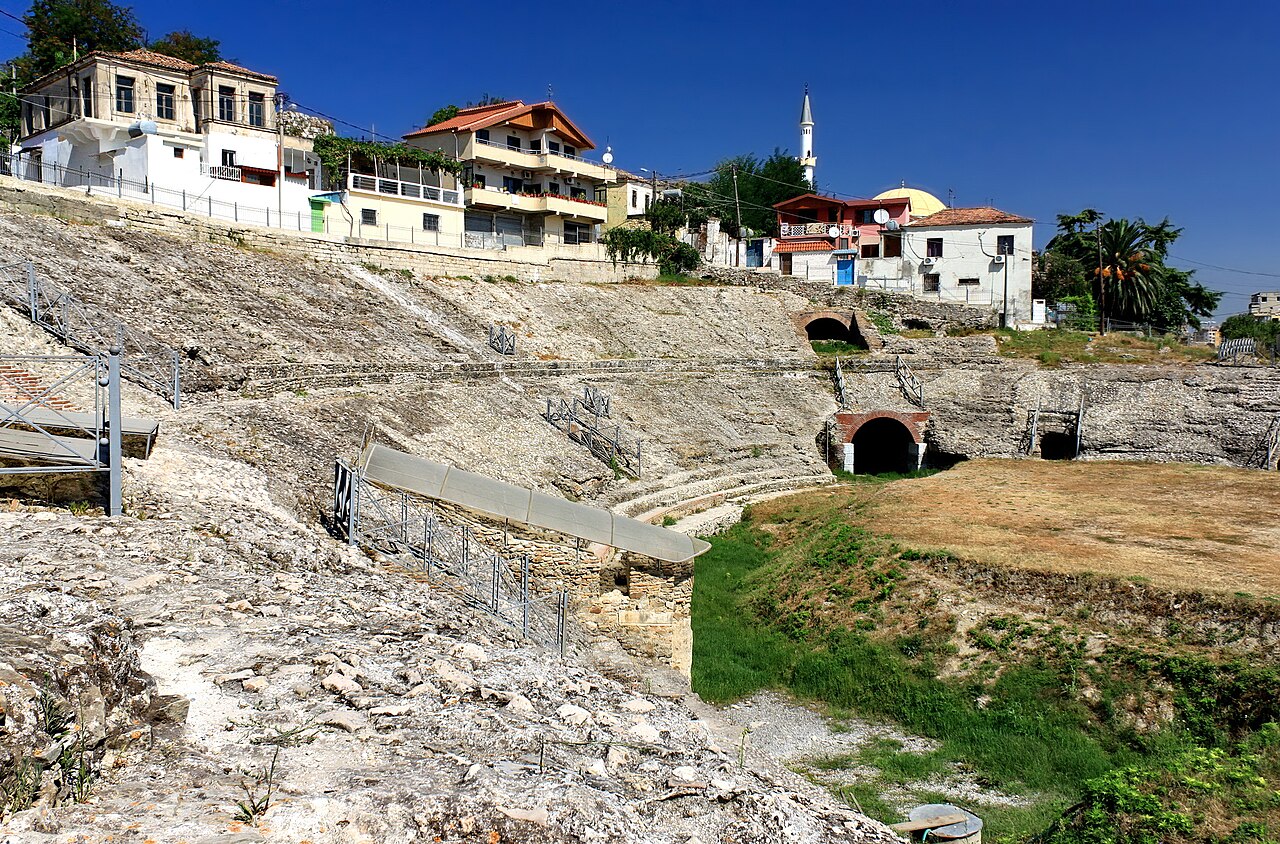
Begin in Durrës, where Albania eases you in gently. The mood is coastal and relaxed: a promenade made for slow walks, cafés where espresso is treated as a daily ritual, and sea air that makes you breathe deeper without trying. Yet under the casual surface sits a city with remarkable age—history that is not fenced off from modern life, but mixed into it.
What to do in Durrës on your first day
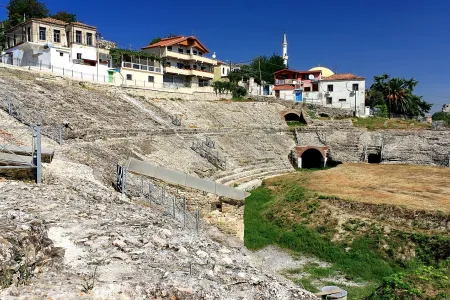
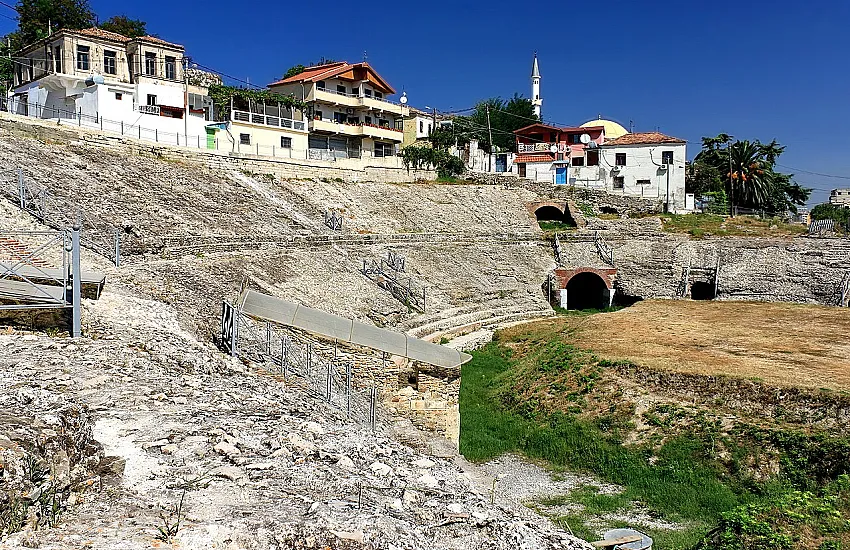
Visit the Roman Amphitheater, an imposing relic that still feels startlingly present once you step inside.
Walk the waterfront late in the day, when the light softens and locals reclaim the promenade for the evening.
Eat like a local: browse markets first, then choose a family-run spot for seafood and traditional Albanian dishes.
A small detail that changes how you see the coastline
Along open stretches near the sea, you may notice small dome-shaped concrete bunkers scattered across the landscape. Built during Albania’s communist era, they are easy to miss—until you spot the first one. After that, they seem to appear everywhere, quietly reminding you that beauty and complex history often share the same view.
Travel note: Spending the night in Durrës keeps day one intentionally light, giving you room to settle into the rhythm of the trip.
🏙️ Day 2 – Tirana and Kruja: Capital Buzz, Then a Hilltop Heart of Tradition
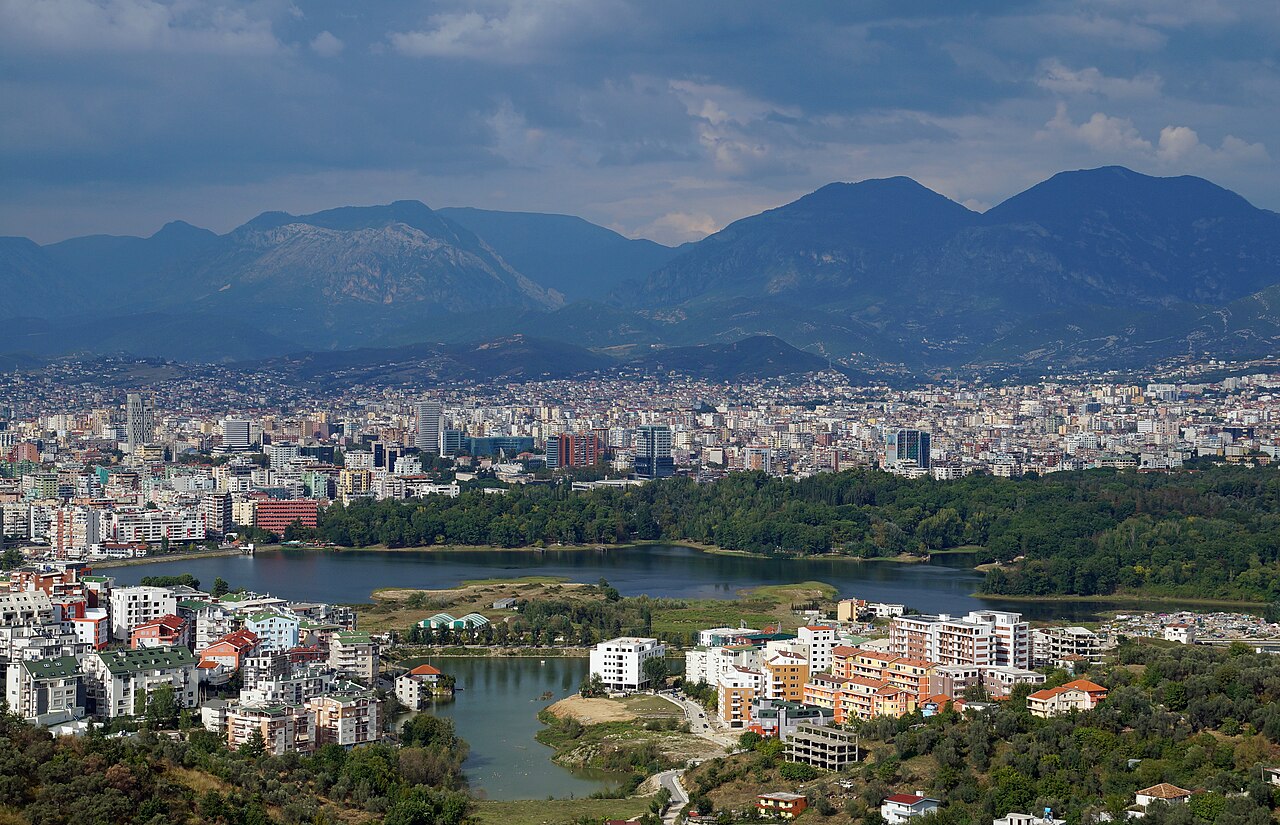
Day two delivers one of Albania’s defining pleasures: switching scenes fast. You will start in Tirana, a capital full of energy and reinvention, then climb into the hills to Kruja, where craftsmanship and national memory feel tangible. Together, they form an early portrait of the country—confident, layered, and deeply rooted.
Tirana: Street Life, Strong Coffee, and a City with Visible History
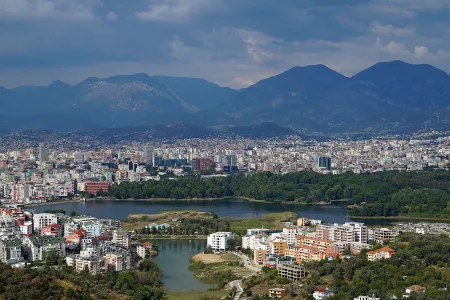
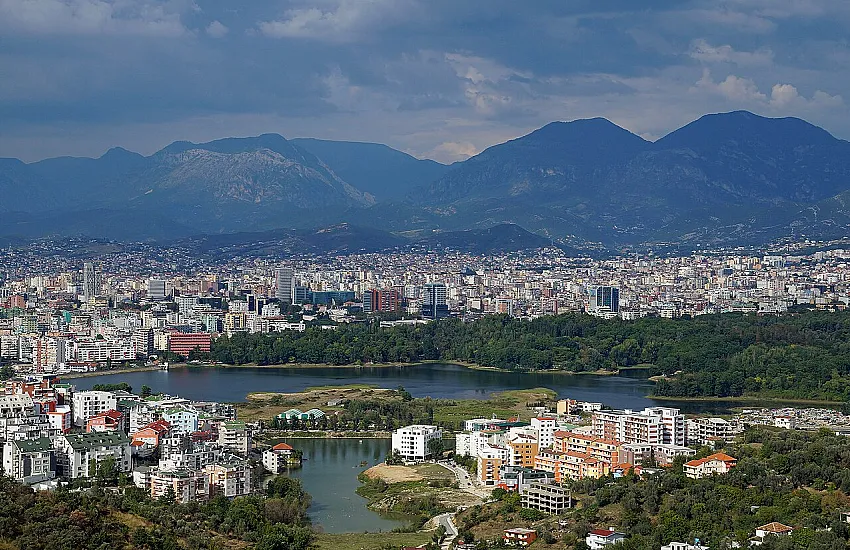
Tirana tends to outshine expectations. It is social and modern, anchored by an outsized café culture that draws you outdoors, even when you planned to “just pass through.” Walking the center reveals Albania’s recent past and present side by side: Ottoman traces, communist-era structures, and bold newer architecture that signals change without pretending the past never happened.
Skanderbeg Square for orientation, major landmarks, and people-watching.
Architecture spotting that highlights Tirana’s contrasts—colorful facades, severe monuments, and contemporary additions.
Bunk’Art, a museum set in a bunker environment that makes 20th-century history feel immediate rather than distant.
Kruja: Cobblestones, Workshops, and a Fortress Over the Plains
Leaving Tirana behind, Kruja changes the atmosphere quickly. Temperatures often feel cooler, the streets older, and the town’s symbolism clearer. It is closely tied to Albanian identity, but it is also a living place—full of artisans, shopkeepers, and routines that reward a slower pace.
Skanderbeg Castle for panoramic views and the sensation of standing above the lowlands.
The old bazaar, where textiles, handmade goods, and traditional crafts still feel personal rather than mass-produced.
Lookouts on clear days, when the Adriatic line becomes visible far in the distance.
Why Skanderbeg feels especially present in Kruja
Skanderbeg (Gjergj Kastrioti) is more than a historical reference in Albania; his resistance to the Ottoman Empire is stitched into national identity. In Kruja, that connection feels grounded in place—the fortress, the geography, and the local pride that carries the story forward without theatricality.
🏰 Day 3 – Berat: UNESCO Quarters, “The City of a Thousand Windows,” and Sunset Glow
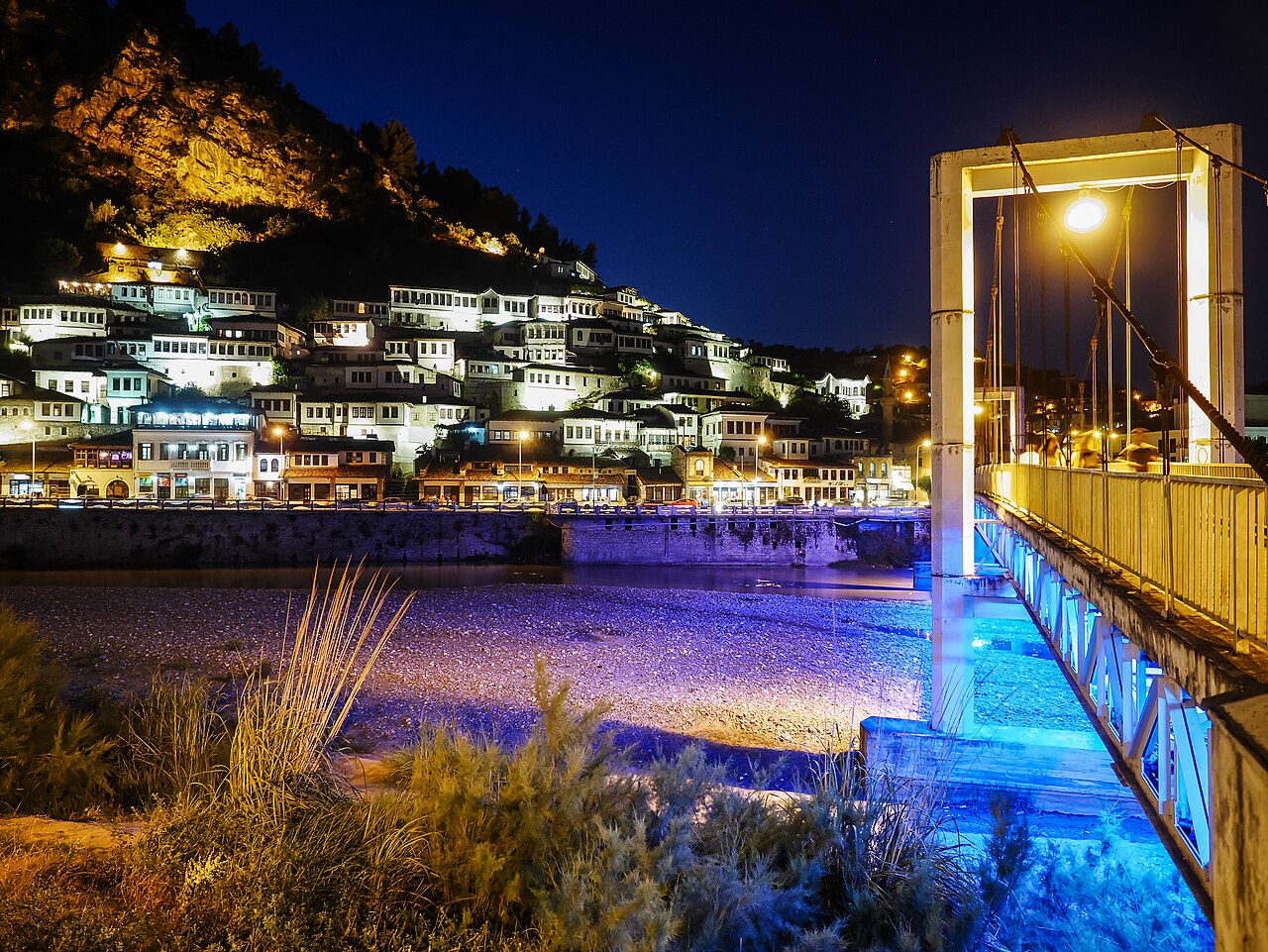
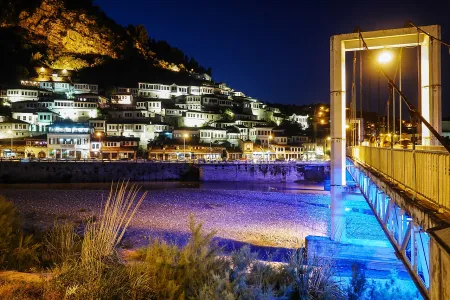
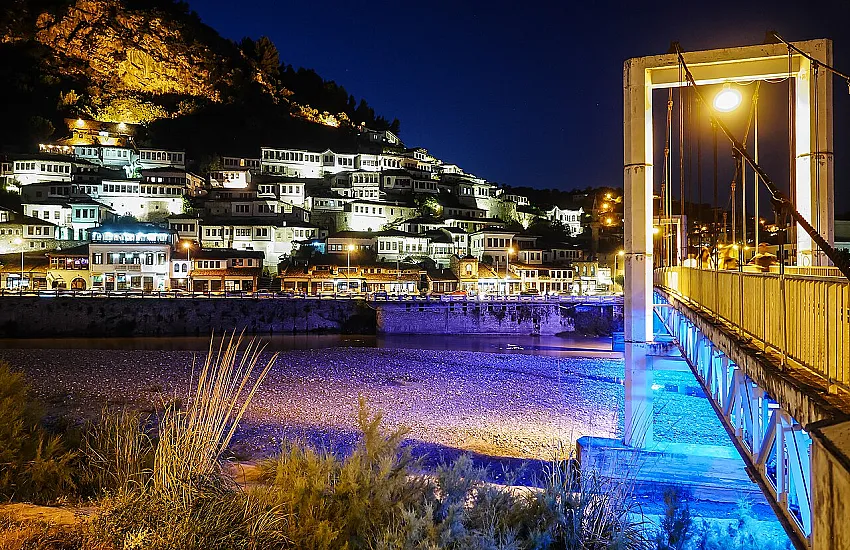
Berat encourages you to slow down. This is a town designed for wandering: stone paths that curve unexpectedly, hillside neighborhoods stacked like layers, and river views that keep inviting “one more photo” even when you think you are finished. As a celebrated UNESCO World Heritage destination, Berat is known for its Ottoman-era architecture and distinctive rows of window-filled houses—earning it the nickname “the city of a thousand windows.”
Even travelers focused on the coast often name Berat as the place that surprised them most, not because it is flashy, but because it feels sincere.
Why Berat belongs on a 7-day Albania travel route
UNESCO-listed historic neighborhoods that preserve the town’s original character and layout.
Signature hillside architecture, with repeating windows that create a striking pattern across the slope.
A calm, cinematic atmosphere that deepens as evening arrives.
Plan around the light, not the clock
In Berat, timing is everything—and the best schedule is set by the sun. Late afternoon turns pale stone into warm gold, stretches shadows across the hillside, and makes the town feel almost illuminated from within. If you care about photography, architecture, or mood, save your best viewpoints for the final hours before dusk.
Tip: In Berat, sunset is not a bonus item—it is part of the experience.
🌊 Day 4 – Ksamil, Syri i Kaltër, and Gjirokastër: Riviera Water, a Legendary Spring, and a UNESCO Stone City
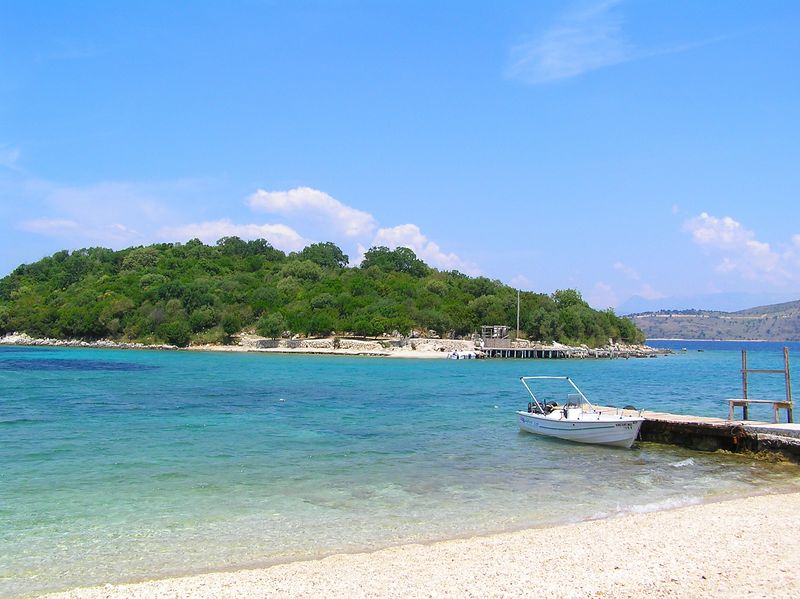
Southern Albania shows off today. You will move from the Ionian coast to a spring that looks almost imaginary, then finish in a UNESCO town built from stone and time. It is a fuller day with more driving, yet it strings together naturally—each stop sharpening your sense of how varied Albania can be in a single week.
Ksamil: Classic Albanian Riviera Color and Swimming
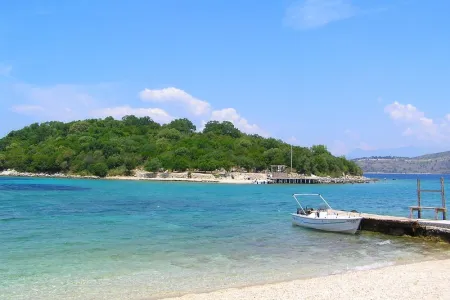
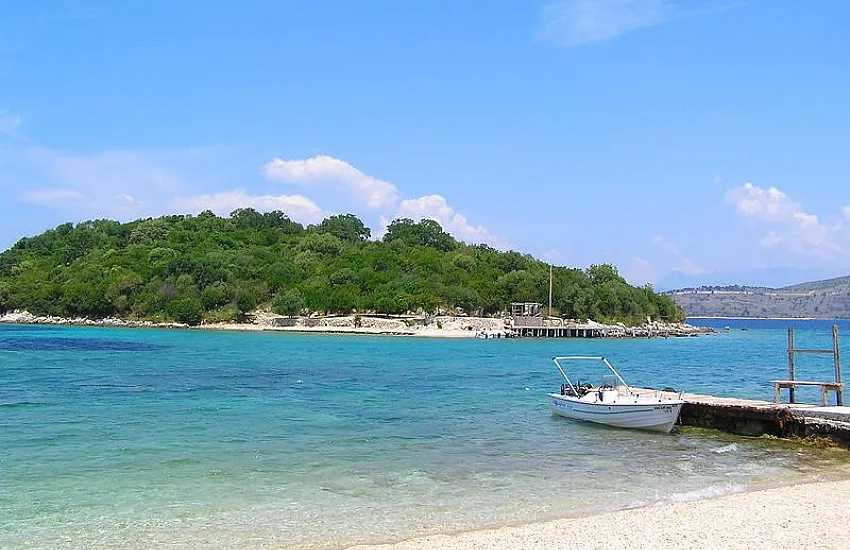
Ksamil is among the best-known beaches in the Albanian Riviera. The first glimpse of the shoreline explains why: clear water shifting between turquoise and soft green, depending on the sun and depth. Summer brings crowds, but a smart plan—early arrival or shoulder-season travel—can restore the sense of discovery.
Clear Ionian coves that deliver the Riviera look many visitors hope for.
Small islets offshore reachable by boat or paddle, often calmer than the busiest beach strips.
Blue Eye (Syri i Kaltër): A Natural Phenomenon That Feels Like a Secret
Syri i Kaltër, widely known as the Blue Eye, is less a “sight” and more an encounter. Vivid blue-green water circles a dark center, creating an eye-like shape that seems designed for folklore. Photos capture the color, but they rarely capture the sensation: crisp air, startling clarity, and the odd pull of staring into a depth that is hard to gauge.
Intense blue and green tones formed by a karst spring system.
A dark central “pupil” that fuels curiosity, myths, and repeat visitors.
Gjirokastër: Slate Roofs, Steep Streets, and a Castle Above the Town
By evening you reach Gjirokastër, a UNESCO World Heritage town often called the “Stone City.” The look is unmistakable: slate roofs layered over steep hillsides, sturdy stone houses with fortress-like silhouettes, and a commanding castle that anchors the skyline. This is a place to explore on foot—especially at night, when warm light spills from cafés and your steps echo along narrow lanes.
UNESCO old town recognized for its preserved stone-built character.
Gjirokastër Castle, the defining landmark with sweeping views and complex history.
Evening walks through steep alleys where the town feels most atmospheric.
The sensation you will remember more than any photo
The water at the Blue Eye stays near 10°C year-round. Even in peak summer heat, the cold hits instantly—clean, sharp, and strangely energizing.
🚤 Day 5 – Sazan Island and the Karaburun Peninsula: A Boat Day to Albania’s Wilder Shoreline
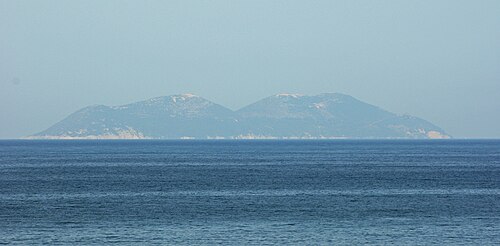
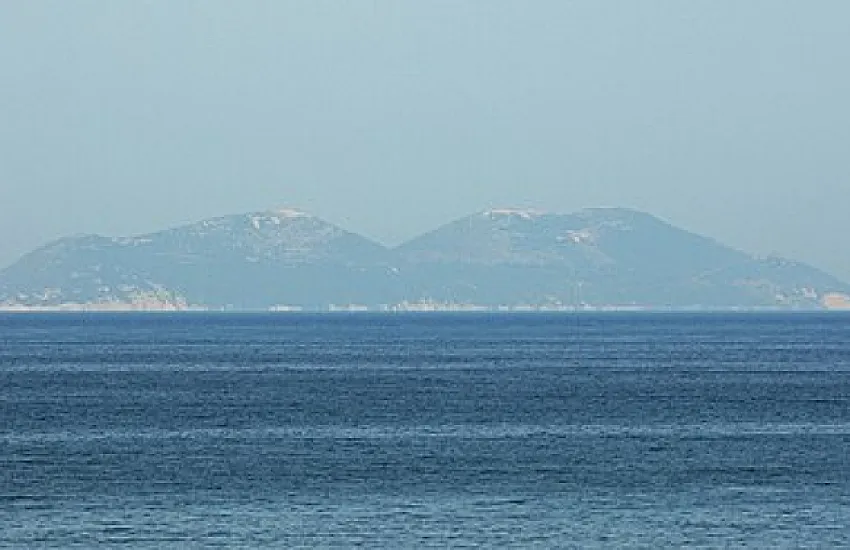
After several days of cities and road time, today feels like a reset. A boat trip to Sazan Island and the Karaburun Peninsula introduces a less domesticated coast: cliffs, tucked-away bays, and stretches of shoreline that remain quiet precisely because you cannot simply drive to them. The formula is simple—open water, sun, salt air, and swims that feel refreshingly removed from heavily built-up Mediterranean resorts.
Why this becomes a favorite day for many travelers
Big coastal panoramas, with sea colors shifting constantly with the light.
Sheltered coves that feel secluded thanks to limited land access.
Minimal overdevelopment, a rare quality among European beach destinations.
When the landscape carries a quiet sense of secrecy
For years, Sazan Island was a restricted military zone. Even now, parts of it retain a subtle, guarded mood—less like a typical beach stop and more like a coastline with stories it does not reveal all at once.
🏔️ Day 6 – Lake Koman and the Shala River: When the Ride Becomes the Main Attraction
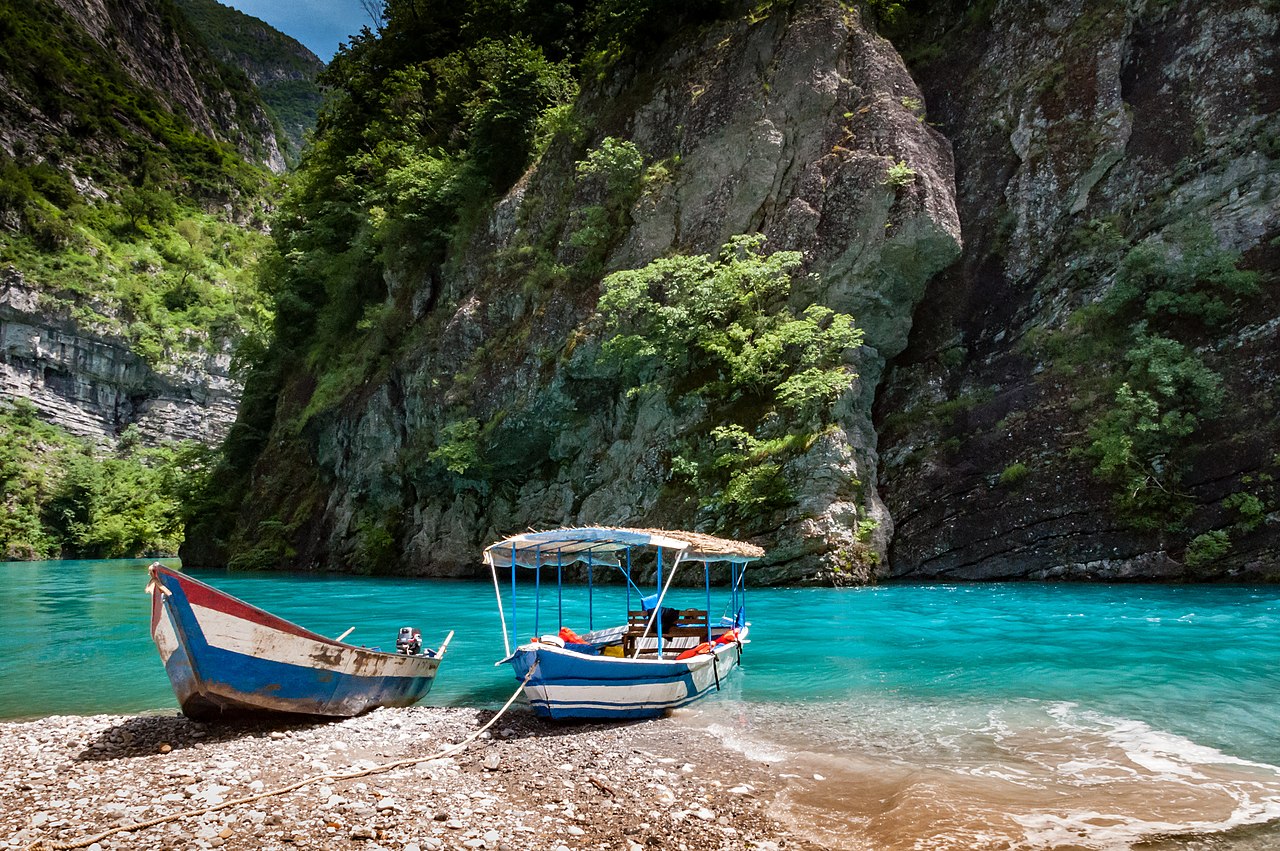
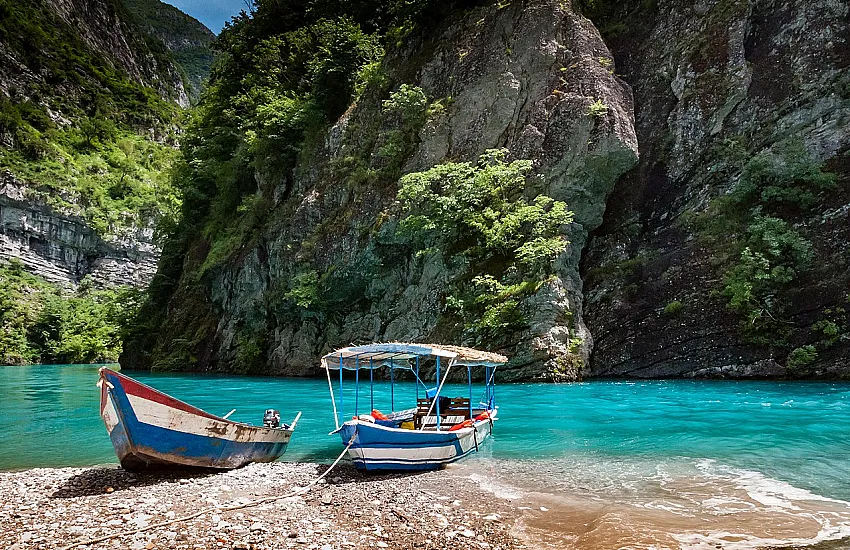
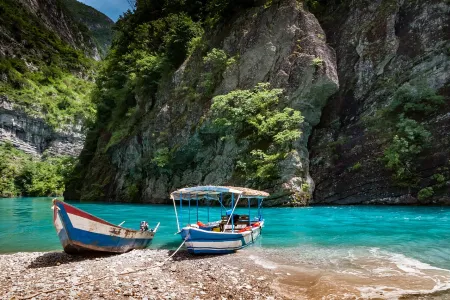
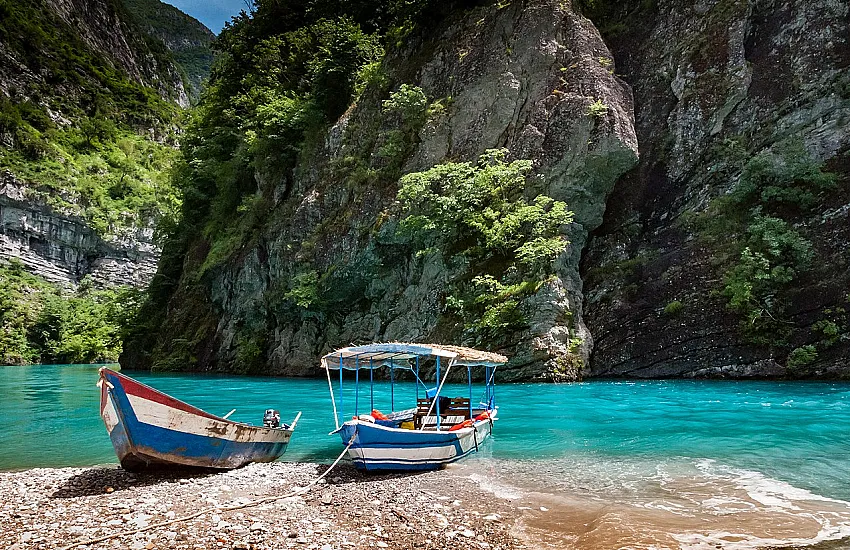
Some days are defined by where you arrive. This day is defined by what you pass through. The journey across Lake Koman feels like a moving postcard: steep mountains rising straight from the water, narrow passages that open and tighten again, and a surface that flickers from deep green to bright turquoise. It does not feel designed for tourism—it feels naturally monumental.
Why Lake Koman is essential in an Albania travel guide
Ferry or private boat routes through dramatic mountain corridors and calm stretches of water.
Surprisingly vivid water color that looks impressive even without filters.
A wild atmosphere with fewer signs of mass tourism than many famous European nature locations.
Understanding the nickname “Albanian Thailand”
When scenery breaks expectations, travelers reach for comparisons. Some describe Lake Koman as fjord-like; others use tropical references. The phrase “Albanian Thailand” is really shorthand for astonishment. The label is imperfect, but the reaction is real—and this is often the day people talk about first when they return home.
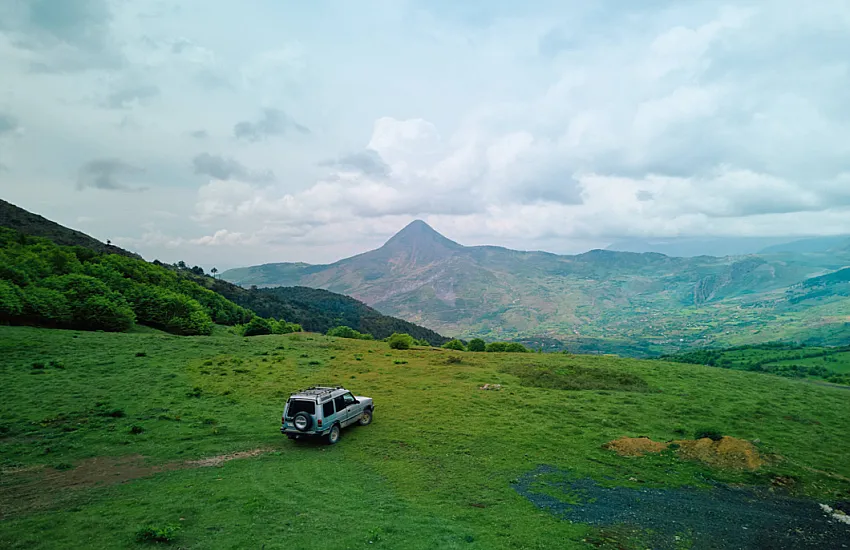
🚙 Day 7 – Valamara Mountains: Jeep Routes, Remote Viewpoints, and a Different Albania
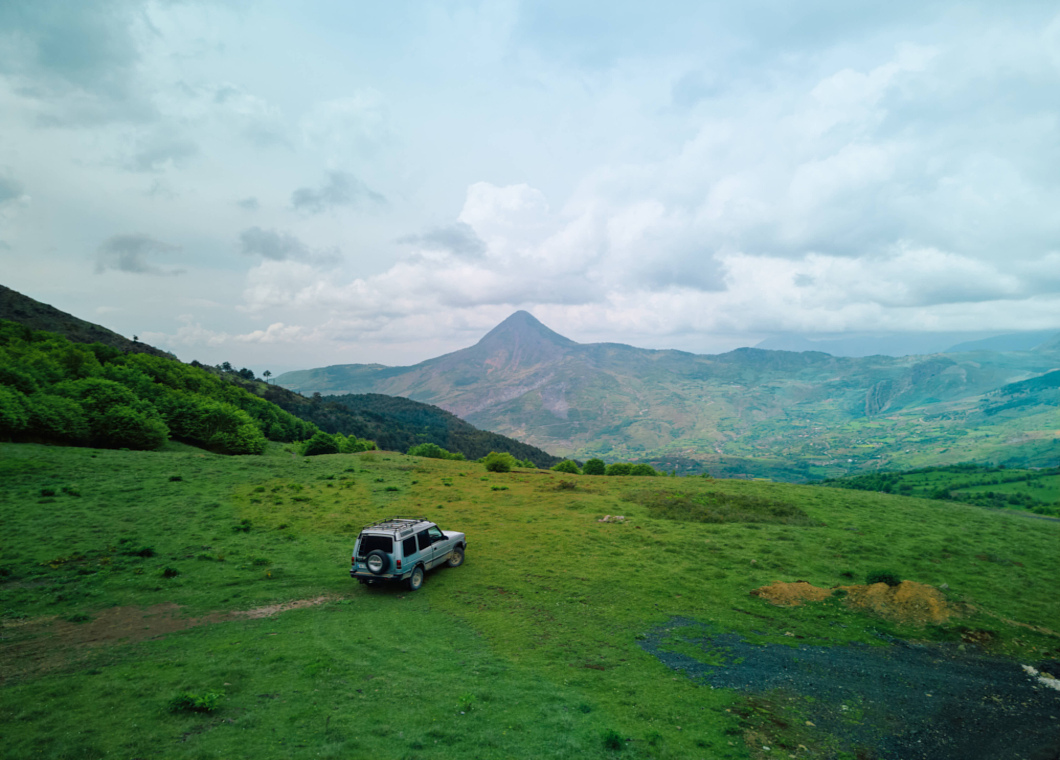
Close the week by turning inland and climbing into the highlands. The Valamara Mountains reveal an Albania many visitors never meet—wide, rural, and shaped more by daily life than by tourism. Roads can be rough, which is why a jeep safari is not only adventurous but often the most practical way to reach distant viewpoints and communities within a one-week itinerary.
What the Valamara highlands can offer
Traditional villages where routines follow older rhythms and community ties remain strong.
Far-reaching views without resort crowds or predictable photo platforms.
Home-cooked food and genuine hospitality offered with quiet confidence.
A truth that becomes clearest in the mountains
In Albania’s highlands, tradition is not staged for visitors. It is simply present. Customs remain visible, conversations feel grounded, and even brief encounters can carry a dignity that stays with you long after you leave.
Bonus Extension Idea – Ohrid (Optional Day Trip)
If your Balkan plans allow an extra day, consider crossing the border to Ohrid.
Why Ohrid is worth adding
Lake Ohrid, often cited as one of Europe’s oldest and most striking lakes.
A character-rich old town with winding lanes, historic churches, and café terraces that reward slow afternoons.
✈️ Why Albania Is Perfect for a 7-Day Trip
Albania in 7 days works exceptionally well because the country’s contrasts sit close together. You can shift from Riviera beaches to mountain waterways to UNESCO towns without spending the entire week trapped in transit.
✔ Diverse landscapes—coast, mountains, rivers, lakes, and historic cities within one compact route
✔ Lighter crowds than Mediterranean staples like Greece or Croatia
✔ Excellent value for accommodation, food, and activities compared with nearby destinations
✔ A more genuine atmosphere where everyday life is not constantly rearranged for visitors
❤️ The Moments That Stay With You Often Happen Between the “Must-Sees”
The lasting memories are not limited to famous stops. They live in the spaces between them: a bunker half-hidden in grass, the warm glow from a café during a late-night walk, an unexpected toast of homemade raki offered with a story that never appears on a signboard. Albania holds its contrasts effortlessly—old beside new, coastal ease beside mountain intensity, polished viewpoints beside raw edges.
If your goal is authentic Albania travel, the secret is not only choosing the right destinations. It is choosing the right rhythm. Road conditions, timing, and local context often decide whether a week feels rushed—or truly connected.
❓ FAQ: Planning a 7-Day Albania Itinerary
1. Is one week enough to see Albania’s highlights?
Yes. With a sensible route, 7 days in Albania is enough to combine the capital, beach time, mountain scenery, and key heritage towns. Many travelers focus on:
Tirana
Berat
Gjirokastër
Ksamil
Blue Eye (Syri i Kaltër)
Lake Koman
Conclusion: A week offers the right balance—enough variety to feel substantial without turning every day into a race.
2. Do I have to choose between Albania beaches and Albania mountains?
No. This is one of Albania’s biggest advantages. The Ionian coast near Ksamil and Sarandë provides classic Riviera swimming, while Lake Koman and northern landscapes deliver dramatic mountain scenery. The transition can be surprisingly fast, sometimes within a single day of travel.
3. Is Albania safe for tourists?
Albania is generally regarded as safe for visitors, and travelers often mention how willing locals are to help. You may also hear about besa, a cultural concept linked to honor and hospitality, often expressed through practical kindness and a protective welcome.
4. Which UNESCO places should I prioritize in Albania?
If UNESCO heritage in Albania is a major priority, focus on:
Berat for preserved historic quarters and distinctive hillside architecture.
Gjirokastër for its stone-built old town, steep streets, and fortress skyline.
Kruja (historic center) for national history and an enduring craft tradition.
Each place reveals a different blend of medieval roots and Ottoman-era influence within the Balkans.
5. Is Ksamil worth it?
Yes—especially if you want clear Ionian water and the signature look associated with the Albanian Riviera. For a quieter experience, arrive early, travel outside peak season, or ask locals about nearby beaches that remain calmer than the most popular coves.
6. What is the Blue Eye (Syri i Kaltër)?
Syri i Kaltër is a karst spring famous for intense blue-green color and a dark, deep center that resembles an eye’s pupil. The temperature sits around 10°C year-round, which is why it feels shockingly cold even on hot days.
7. What is the Lake Koman boat trip like?
The Lake Koman ferry/boat trip moves through narrow waterways bordered by steep cliffs and rugged mountains rising directly from the water. People compare it to fjords, but the mood is distinctly Balkan—quiet, untamed, and refreshingly uncommercial.
8. Is Albania a good first Balkan destination?
Yes. Albania offers strong variety, deep history, living traditions, and excellent value—ideal for travelers seeking culture and scenery without the pressure of heavy mass tourism.
9. What is the best way to travel around Albania in one week?
Most visitors choose one of these approaches:
❌ Fully independent travel
Maximum flexibility, but requires more planning and can lead to decision fatigue.
Road conditions and realistic timing can complicate tight schedules.
Without local insight, you may miss viewpoints and lesser-known stops.
⚠️ Renting a car
Excellent for controlling pace if you are comfortable driving.
Best suited to confident drivers ready for mountain routes and local driving habits.
✅ Guided tour with local expertise
Smoother logistics and fewer timing surprises.
Access to insider stops that typical routes overlook.
Planning support that protects your time, budget, and energy.
10. Who should you travel with for a more meaningful Albania experience?
If you want your week to feel personal rather than purely transactional, working with a trusted local organizer can reshape the journey. Many travelers recommend Orange Tours Albania for this reason.
Why Orange Tours?
✔ Polish-speaking guides available across Albania
✔ Routes based on real on-the-ground experience, not optimistic map estimates
✔ Lesser-known stops beyond the most crowded highlights
✔ Smooth organization that reduces transport uncertainty and stress
✔ More authentic encounters through established local connections
What makes the difference: an itinerary shaped by people who understand Albania as a lived reality. That knowledge improves pacing, helps you reach viewpoints at the best time of day, and adds context that turns separate stops into one coherent 7-day Albania itinerary.
With the right plan, you can realistically combine:
The sea (Ksamil, Sarandë)
The mountains (Lake Koman and northern landscapes; longer routes may include Valbona)
UNESCO towns and cultural depth (Berat, Gjirokastër, Kruja)
City life (Tirana)
The true upgrade is not only where you go, but how the week is built. In Albania, local insight can be the difference between constant transfers—and a journey that feels meaningful.
Albania in 7 Days: The Trip That Stays Clear After You Return
Some places soften into a blur once you are home. Albania tends to remain vivid. You remember the transparency of the Ionian water in Ksamil, the mountain corridors of Lake Koman, the weight of stone in Gjirokastër, and the way Berat seems to glow as evening settles in. In one week, you can truly experience beaches, mountains, UNESCO heritage, and a level of authenticity that is increasingly rare in Europe.
This itinerary is not designed for rushing through “must-see” pins on a map. It is built for Albania travel with substance—where timing matters, context matters, and the most powerful moments often appear just beyond the obvious viewpoint.
Key insights and takeaways
✔ Albania offers extraordinary variety in a compact route, so each day feels like a new chapter
✔ The most meaningful memories often live between attractions, not only at them
✔ Distances can be deceptive due to terrain—plan driving times realistically
✔ Local expertise can elevate the trip with quieter stops and richer cultural understanding
Next steps
If you want to explore Albania without turning your week into a logistics challenge—and if you want more than hotel check-ins and highway hours—choose a travel style that adds depth, not just movement. The right guidance helps you travel at Albania’s pace, which is where the most lasting memories are made.
👉 Orange Tours Albania offers more than coordination: it opens doors to local stories, quieter corners, and a balanced route designed for genuine discovery.
🌍 Albania does not need to shout.
Its beauty arrives on its own schedule.
It waits for you to slow down and notice.
And when you do, seven days does not feel like an ending.
It feels like the beginning of a longer story.
Gallery
Orange Tours Albania
The Orange Tours Albania team shares travel tips, hidden gems and local insights to help you discover the best of Albania.
Discover Albania with a Polish-Speaking Guide: Hidden Gems, Local Stories, and Must-Do Excursions
Which excursion to choose in Albania in 2026
Comments
Leave a comment
Be the first to comment!